Bastar
Famous For
Indigenous culture
Special Attraction
Bastar Dussera
Peak Time
October – January
Best Time To Go
October – March
The Bastar region is a significant and distinctive part of the Indian state of Chhattisgarh. Located in the southern part of the state, it’s widely recognized for its rich tribal culture, dense forests, unique art forms, and significant natural beauty. Bastar is often referred to as the “tribal heartland” of India. It is home to numerous indigenous tribal communities, including the Gond, Maria, Muria, Halba, Dhurwa, and Bhatra tribes. These communities have preserved their unique customs, languages, festivals, and traditional lifestyles for centuries.
Jagdalpur, the district headquarter of Bastar. Situated on the banks of the seasonally turbulent Indravati, it has been the seat of an ancient kingdom ruled by several dynasties. The present Bhanj Deo-Kakatiya Ruling House traces its ancestry back to the 14th Century A.D., and even today commands an enviable loyalty among tribals.
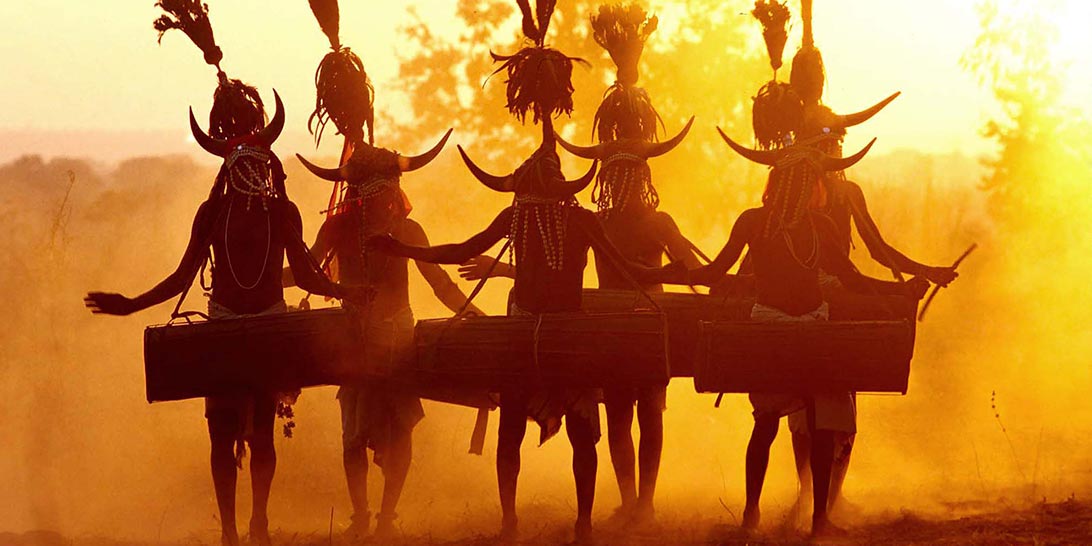
The real feel of the region, however, comes the time spent in the villages and hamlets of Bastar, observing the timeless rituals and customs of the tribes. The Bison-horn Marias, known for their hospitality, dance and weaving, promise a wonderful time. Rich traditions of folk music and dance that are integral to their social and religious ceremonies.
The Soul of Chhattisgarh
Things To Do
Markets
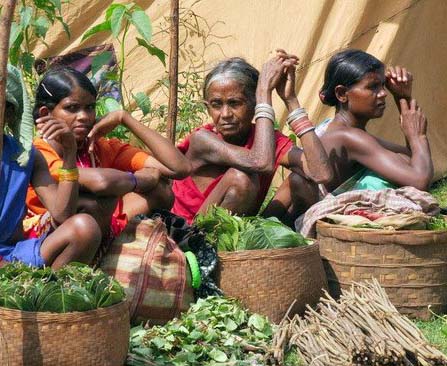
Haats (markets) These are a major part of life in Bastar and happen all over the district. These haats are the most colourful, friendly, fun and easy going markets. Tribals and villages will walk up to 20kms to get to the haat, hence they never start before midday and end by 5pm. Some are in village market areas with a proper market set up and others take place in the open fields, under the trees. They are extraordinary to walk around. The women dress up in the most colourful saris of bright and often fluorescent saris. The main colours are bright red, bright blue, fluorescent pink, yellow and green. Many markets are specific to certain goods, hence in a week many villagers may attend more than one market
Village visit
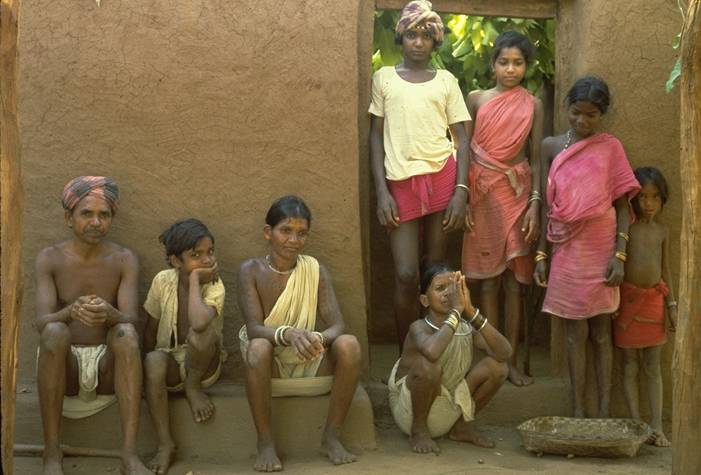
Throughout the region you will come across several villages which have changed little over the centuries. The houses are made entirely of mud with either thatched or red tiled roofs. In some villages you will find slate roofs as it is mined in the area. Each tribe has its own distinct dress, culture and way of life and after spending a little while in the area one is easily able to identify the different communities by their specific costume, jewellery, headdresses, baskets and tools. Some tribes practice the G(h)otal system (dormitory system on reaching puberty). All the tribes tend to wear wonderfully bright and colourful saris.
Bastar Dussera
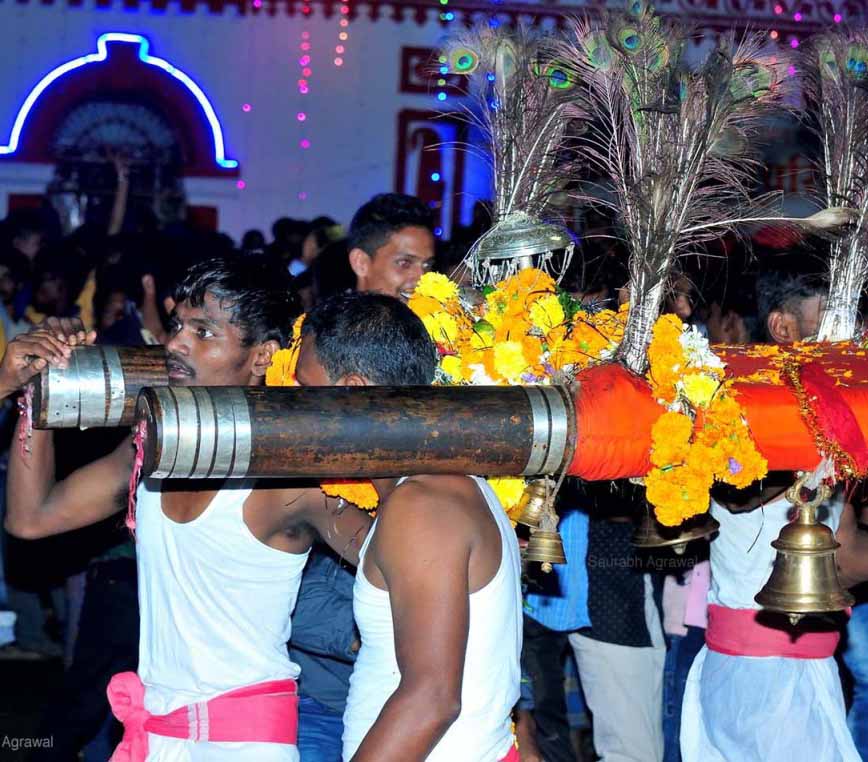
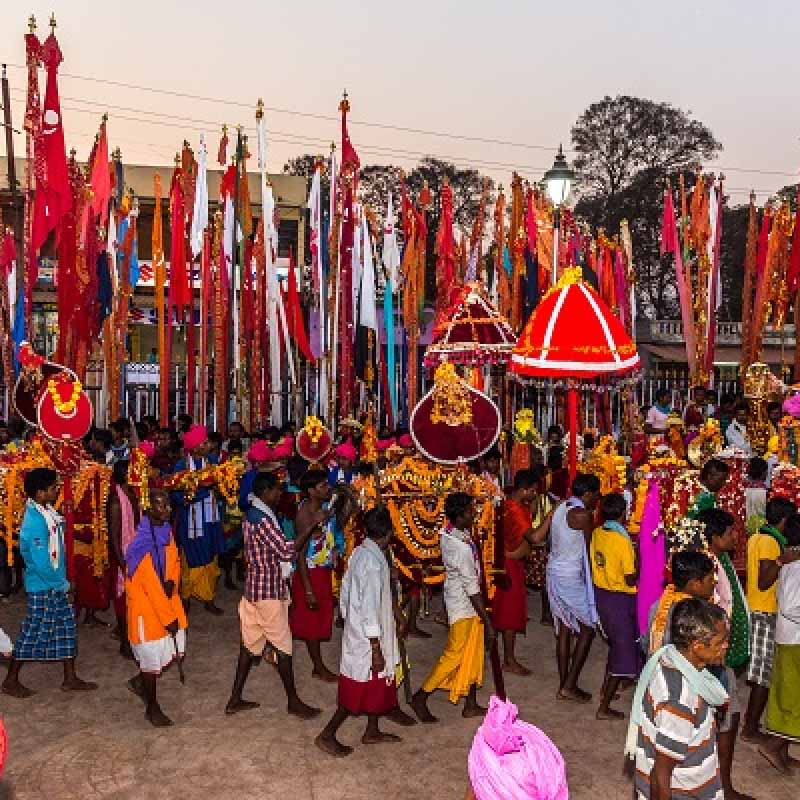
It is the region’s most important festival, and all the tribes participate in the 10-day event. Here, the tribals celebrate Dussehra as a congregation of Devi Maoli (Bastar’s native deity), and all her sisters. Bastar Dussehra involves the participation of diverse tribes and castes. Hundreds of priests bring flower-bedecked local deities to the Danteshwari temple in Jagdalpur, arriving with all pomp and show. The important event during dussera is the rath yatra (Chariot procession). The massive chariot is hewn afresh each year, and the sight of 400 maria tribe pulling it leaves a potent impression of tribal faith.
Bastar Madhai
This tribal festival is celebrated by the tribes of Kanker and Bastar regions, to worship the local God(dess). It travels through the year from one place of the state to another from December to March. It is held in a big ground, so that thousands of people can attend the ceremony, which starts with a procession of the local God(dess), followed by worship of the same. The event is celebrated with tribal dances, folk songs, and tribal theatre held in the open grounds to praise the Goddess. The Madai festival is a grand collective festival that connects all the various tribes of Chattisgarh by a common thread.
Fine Art
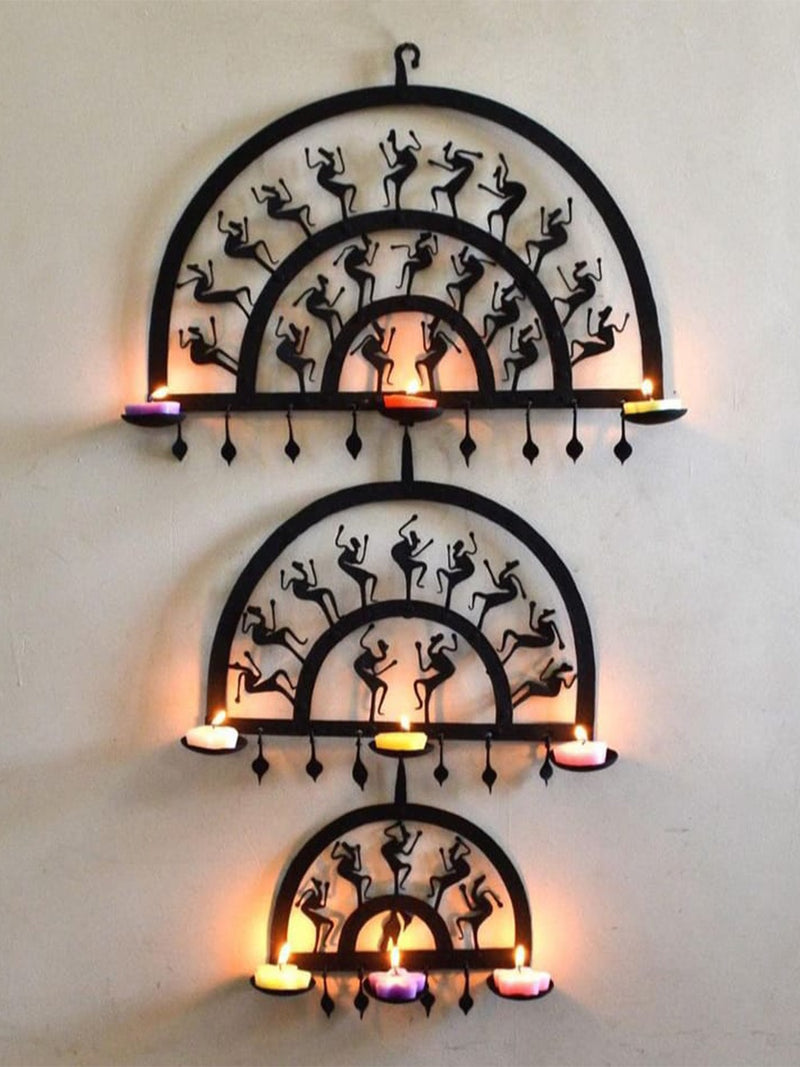
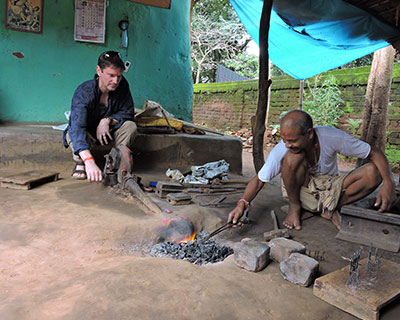
Gracing homes across the world these artifacts of metal and wood are proof of a fertile imagination and the fine hand of the craftsmen of the state. Using available resources, tribals have evolved a rich craft traditions and continue to create works of art in iron, bell metal and terracotta.
Bell metal: Metal casting is the most distinguished craft of Chhattisgarh. It is practiced in many parts of the state with Bastar being the hub. Made of 60 percent copper and 40 percent zinc, bell metal is cast using cire perdue or the lost wax process, which interestingly continues to be carried out in the same way as it was when first used.
Iron work: Recycled scrap iron forms the main raw material for this craft. It is used to create not just decorative artifacts but also household objects and farm equipment. The production method used for this craft is simple and indigenous as iron is beaten when hot. At Komdagaon nearly entire village is engaged in iron craft.
Terracotta: The art primarily uses local clay, which is hand-molded into figures. Its style is characterized by stylized, often primitive, depictions of human figures, deities, animals (especially elephants and horses), and tribal motifs, all possessing a raw, earthy charm. The forms are simple yet expressive, retaining the natural, unglazed texture of the fired clay. Many pieces carry deep symbolic meanings tied to tribal rituals, beliefs, and the natural world.
Chitrakote Falls
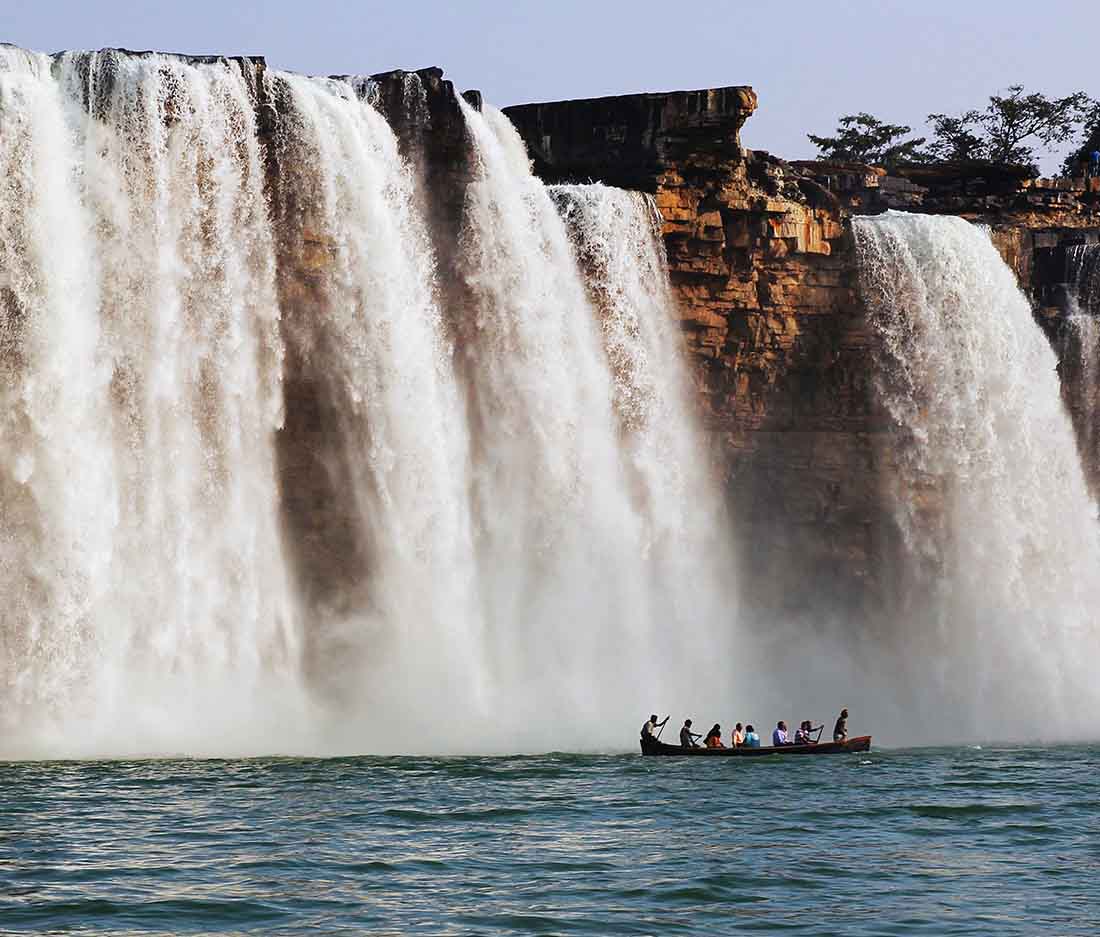
Situated 1 hour from Jagdalpur, these falls are on the Indravati River, are the widest in India and are truly spectacular during and after the monsoon. 96ft high and 980ft wide, it is often called the “Niagara Falls of India” due to its horseshoe shape and impressive width, especially during the monsoon season. They are truly spectacular but cannot really be compared with Niagara. The fall looks dramatically different depending on the season. During the monsoon (July to October), the river is full, and the falls are at their most voluminous and spectacular, with a muddy, reddish hue. In the dry season, the flow reduces significantly, and the water becomes clearer, revealing more of the rock formations.
Kanger Valley National Park
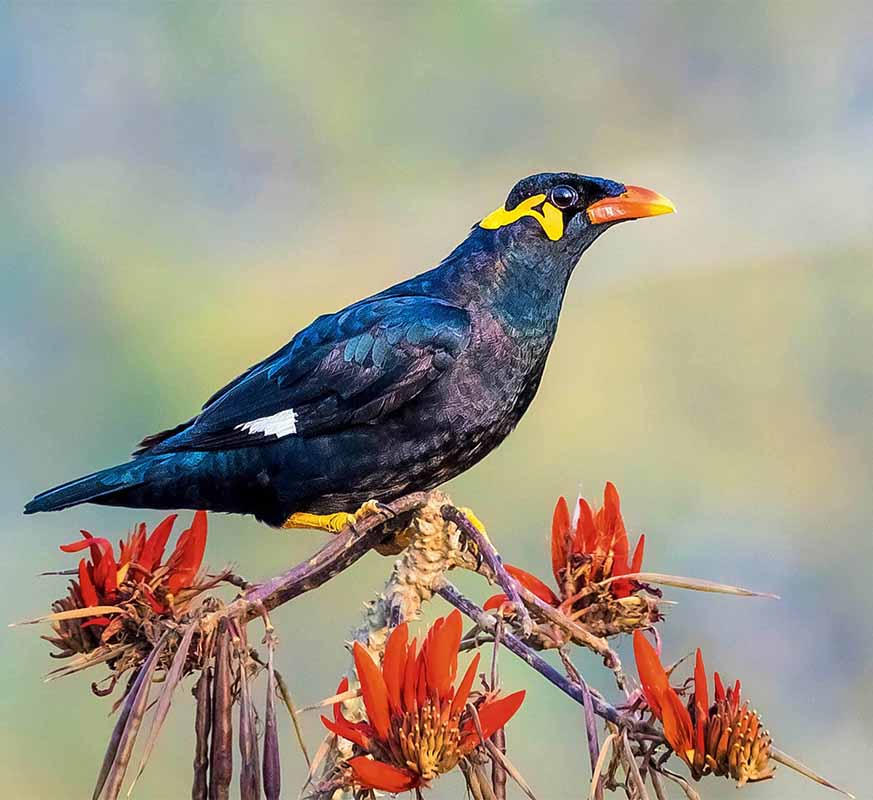
Located at a distance of about 30 km from Jagdalpur, Kanger Valley is one of the most beautiful and densest National Park. It is closer to the Eastern Ghats of Odisha and situated in a transition zone that connects moist peninsular sal forests and the south Indian tropical moist deciduous forests. This acts as a corridor for birds where numerous bird species can be found which do not occur elsewhere in central India. Some of the rare bird sightings in the area include, black baza, blue-billed malkoha, rufous-bellied eagle, pale-capped pigeon, and hill myna (State bird of Chhattisgarh). Over 200 bird species have been recorded from the area. But with more serious observations many more can be easily added to the existing list. Kanger Valley makes a perfect destination for birdwatchers without any tourists in sight.
Kutumsar & Kailash caves
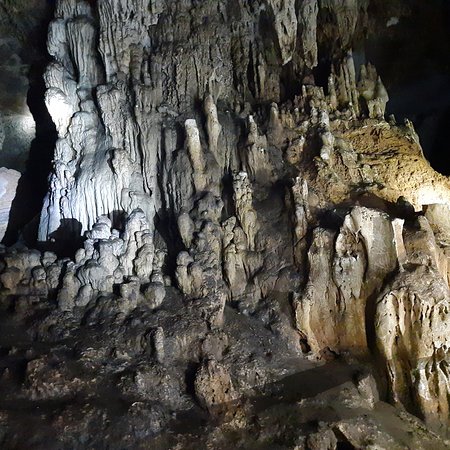
Explore the depths of Kutumsar and Kailash Caves, situated within Chhattisgarh’s Kanger Valley National Park. These are among India’s longest natural caves, formed as limestone bedrock dissolved by groundwater. Over eons, trickling water in the caves’ constant darkness has sculpted stunning stalactite and stalagmite formations. The caves’ stable conditions support a unique ecosystem, bustling with specialized fauna such as bats, frogs, snakes, crickets, spiders, fish, and millipedes. These sites are recognized as India’s premier cave ecosystems, attracting global research interest. A particularly fascinating resident of Kutumsar Cave is a rare species of blind fish (Kryptopterus anophthalmus), endemic to its perpetually dark aquatic environment.
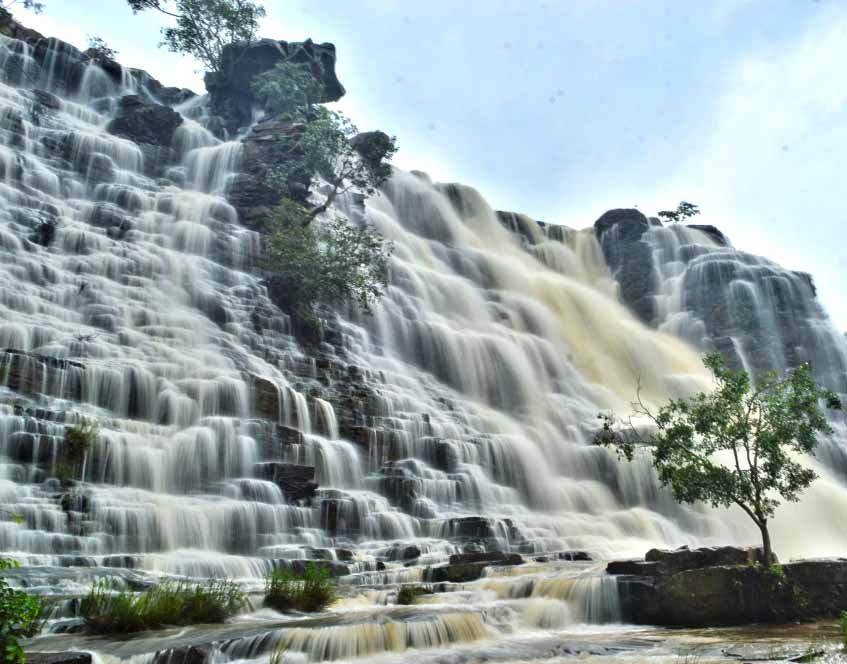
Tirathgarh Waterfalls
Tirathgarh Waterfalls can be termed as “Milky Fall” because of the white colour of the water as it descends down the rocky slope giving an impression as if milk is falling. Splashing streams of water come down at an incredible speed from a height of more than 100 feet on the river Mugabahar which originates in a lake not very far away from this point. The area surrounding the fall features lush green forests that enhance the beauty of the falls.
Best time to visit
October to March is the best time to visit Bastar. temperatures during this period are mild and comfortable, typically ranging from 10°C to 25°C. This makes it ideal for exploring the region’s natural beauty, including forests, waterfalls, and caves, and for engaging in outdoor activities like trekking and sightseeing.
Monsoon breaks in July and lasts until September.